
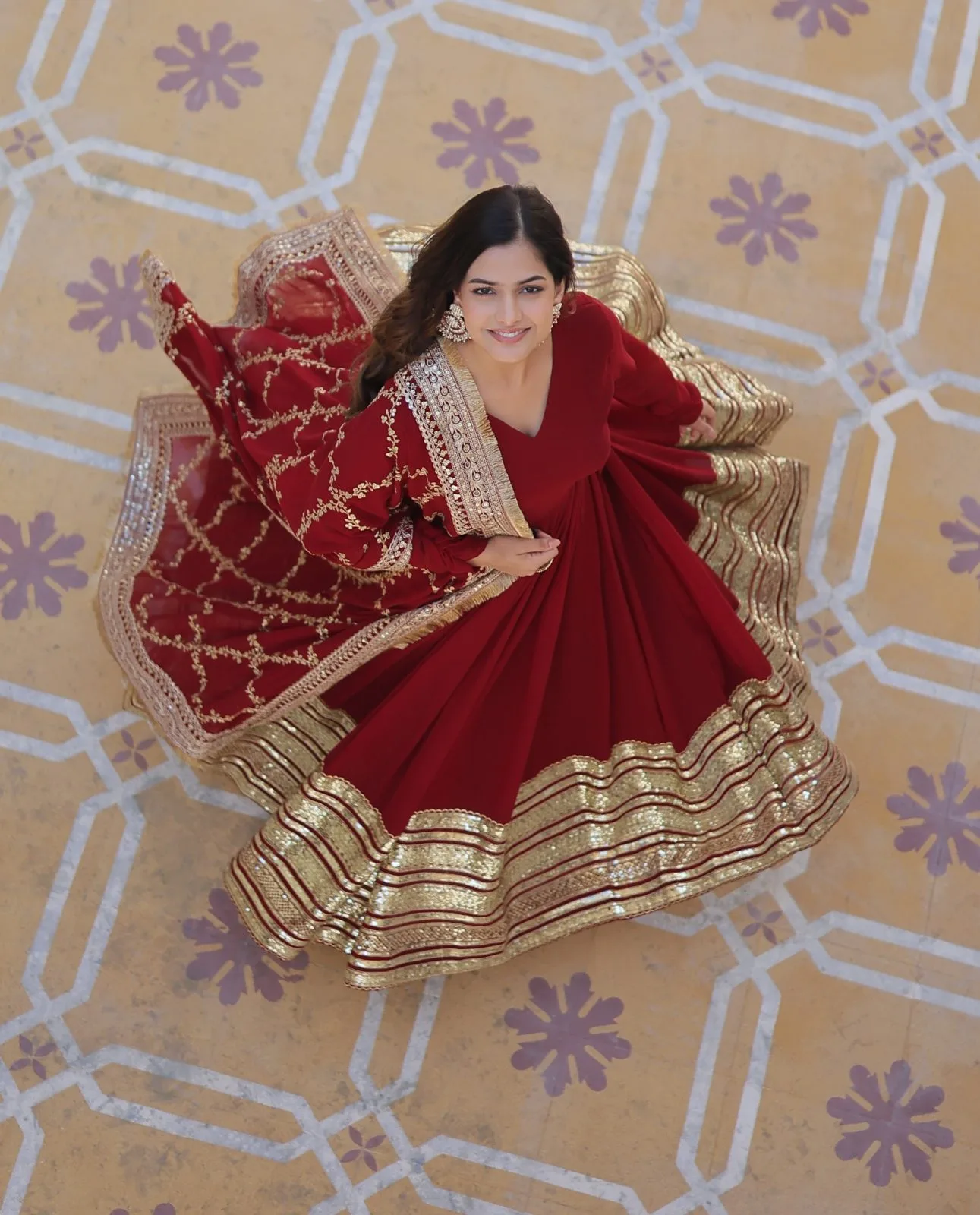
Understanding color coordination can completely transform your personal style. Let's explore the basics of color theory and how to apply them to fashion.
The Color Wheel
The color wheel shows the relationships between colors. Primary colors (red, blue, yellow) form the basis, while secondary and tertiary colors expand the possibilities. Understanding these relationships helps you create harmonious outfits.
Complementary Colors
Complementary colors sit opposite each other on the color wheel and create high contrast, vibrant combinations. Examples include blue and orange, or red and green. These pairings grab attention and make bold statements.
Analogous Colors
Analogous colors sit next to each other on the color wheel and create harmonious, balanced looks. For example, blue and green or red and orange. These combinations are soothing and sophisticated.
Understanding Your Skin Tone
Your skin tone determines which colors look best on you. Fair skin typically suits cool colors like blue and purple. Medium skin can wear both cool and warm tones. Darker skin tones are complemented by warm colors and jewel tones.
The Neutral Foundation
Build your outfit around neutrals like black, white, gray, beige, or navy. These colors serve as a foundation and allow you to play with bolder colors and patterns.
The 60-30-10 Rule
Use 60% of one color, 30% of a secondary color, and 10% of an accent color. This formula creates balanced, visually pleasing outfits that aren't overwhelming.
With these color coordination tips, you'll be able to create stunning outfits that flatter your complexion and express your unique style!